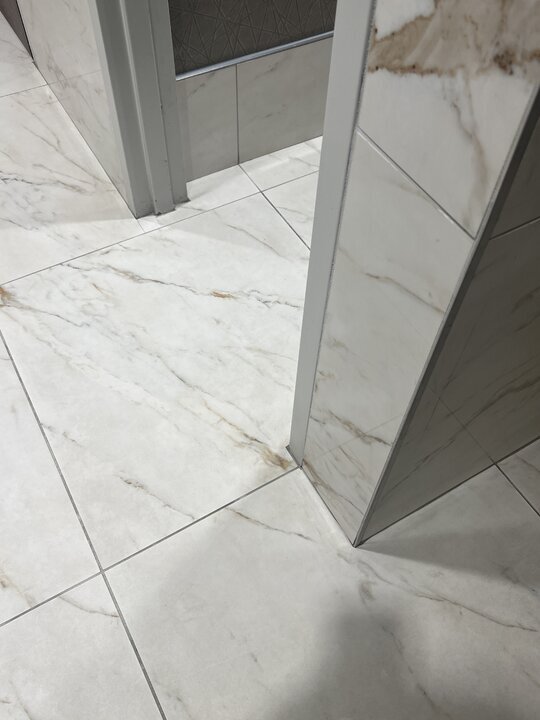
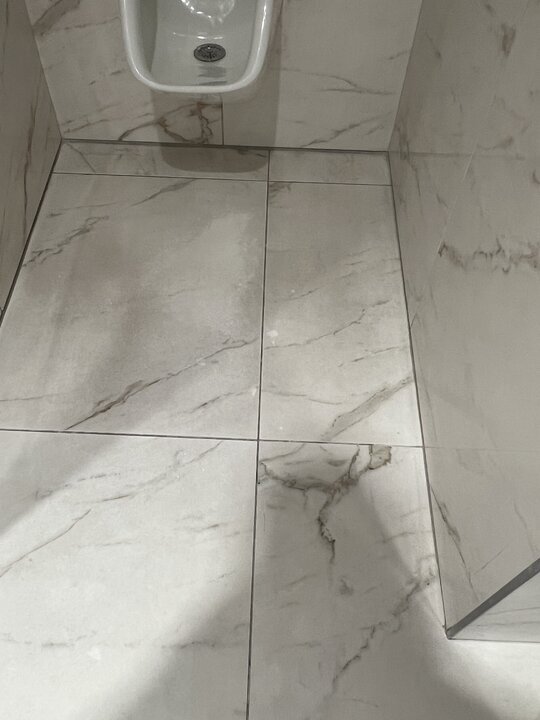
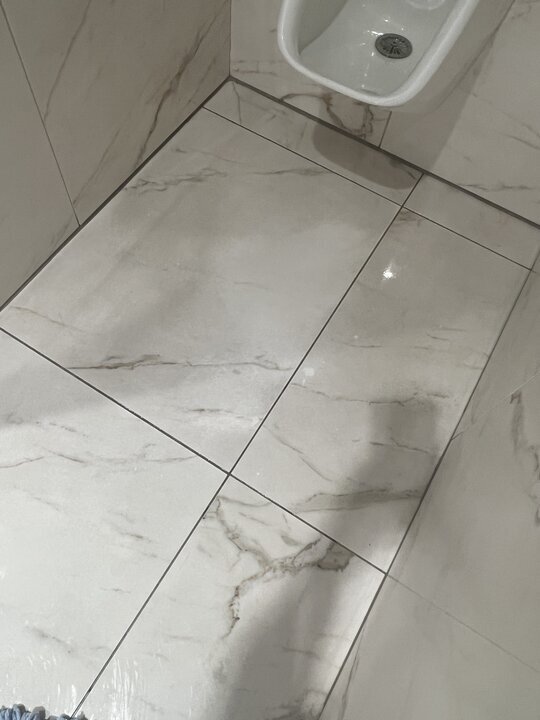
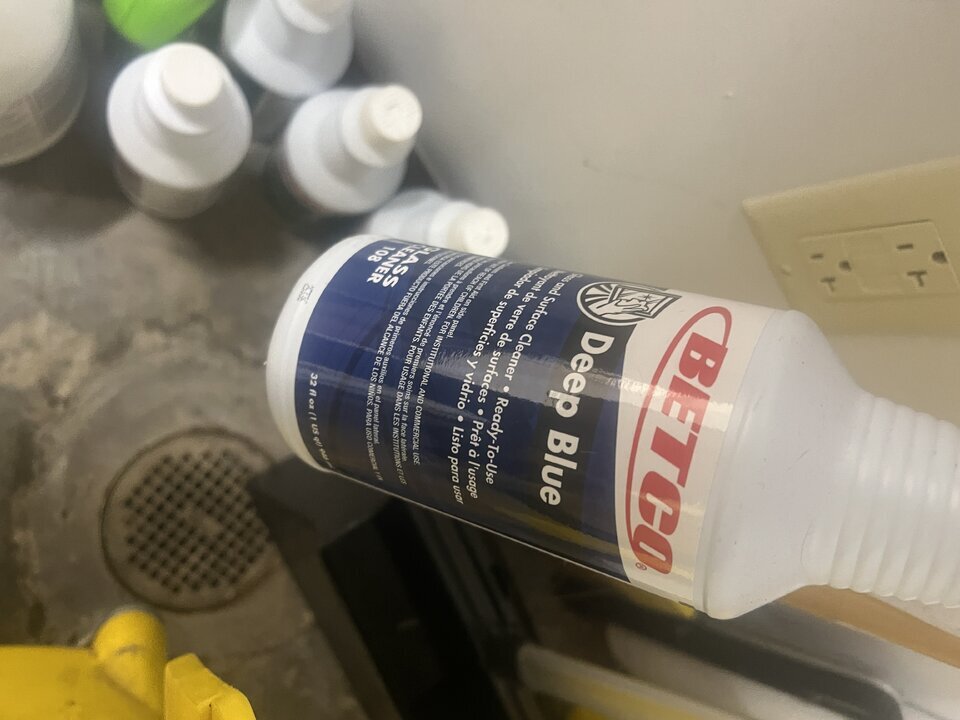
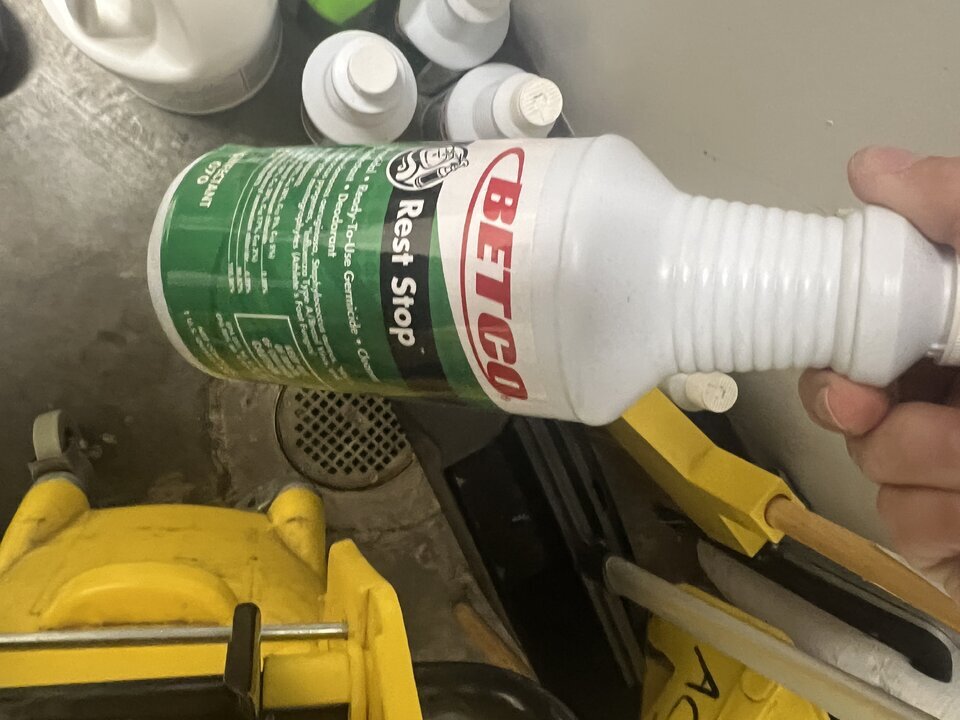
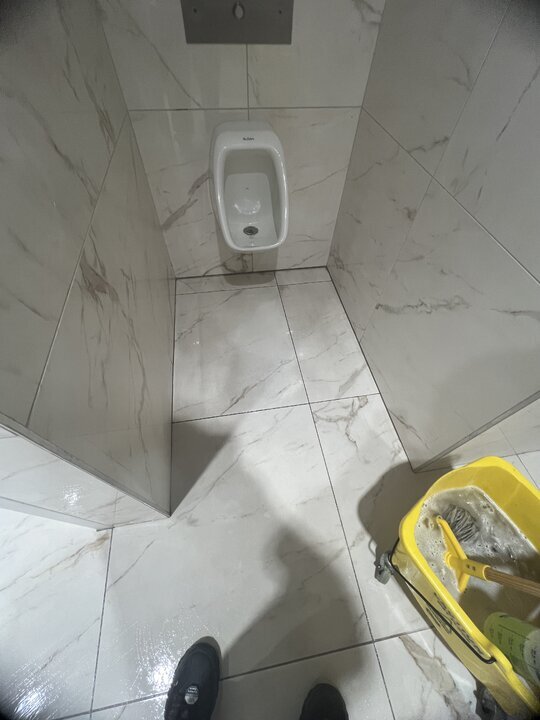
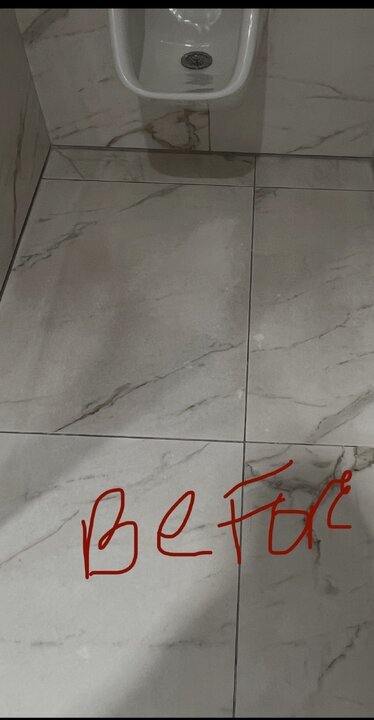
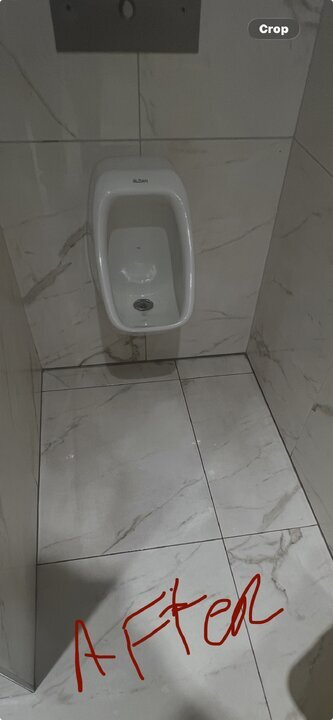
Pics would really be helpful..
Modern Porcelain Issues
You can safely assume that all the wood and stone-look porcelain tiles and planks made within
the last five years can easily be damaged by what we will call "chemical burn" (splotchy, random
spots caused by high-pH cleaning agents, heavy foot traffic, office chair wheels and sharp
objects, etc.).
In order to make the photograph of whatever the tile is attempting to mimic, the top protective
glaze is applied as thin as possible to provide realism. The durability and longevity of this glaze
is extremely poor. In some cases, an added protective coating is applied to protect the glaze in
the shipping process. This layer is easily damaged and can often be removed with just isopropyl
alcohol.
Chemical burn typically happens in traffic lanes and pivot areas where the glaze is already
worn, so be sure to inspect for pre-existing damage caused by the homeowner or other
professional cleaners prior to estimating/cleaning.
Common features of traditional porcelain such as scratch and chip resistance and stain and
2
wear resistance have been lost on these new faux porcelain products. Explaining this to your
customers is crucial.
*When cleaning, stick with liquid cleaning agents in the 4-8 range on the pH scale. Remember,
the tile itself cleans up with just a neutral cleaner, a light scrubbing or dwell time, and a 300-400
PSI rinse. Your goal is to get the grout as clean as possible WITHOUT harming the glaze. Many
modern installs will have been installed with polymer-fortified grout which cleans up very easily
without extreme chemistry or high PSI.
Actual high pH damage
High pH damage intentionally created on sample tile
3
Work in small areas no larger than 300 feet at a time and DO NOT let your cleaning agents dry
before rinsing.
Always run an all-fiber rinse product through your truckmount when rinsing porcelain.
Do not use the plastic ring option on your spinner tool or any other tool that can potentially
scratch the tile, including a Teflon glided carpet wand.
Use a flat mop or bonnet to remove all standing water after cleaning.
Porcelain Splotchiness Remedy
MB Stone Professional Supply has created a fix for removing the splotches and light scratches
from most every type of modern porcelain.
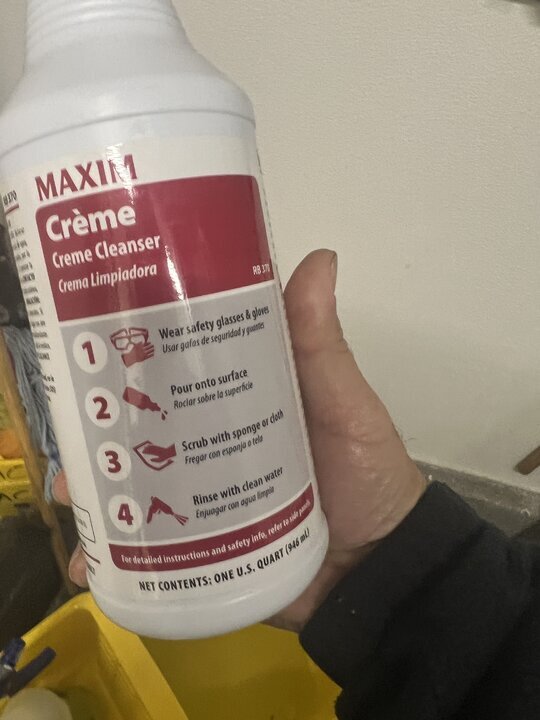
Small splotches can be removed by hand with just a hog hair or white pad and a dab of crème.
Larger areas can be removed with a Makita or 175.
Take note: truly little time is needed to erase the damage. If overworked, you can start to
remove the glaze AND the photograph.
You and your customers need to understand that you are not restoring the glaze or making it
more durable, you are simply feathering out the damage so that it is not seen by the human eye.
See the Tools and Supply Acquisition List for a step-by-step process and individual creams or
kits.
Unglazed/Porous Porcelain
We have no idea why any manufacturer could ever think that a porous man-made tile would be
a good idea, but unfortunately a few of them did and you’ll have to clean some one day.
Since the tile has been absorbing mop water, spills, oils, and pet messes, you will need to tackle
these floors differently than regular glazed porcelain and ceramics.
*Work in small areas, 200 square feet at a time if you have a helper or 100 square feet if you do
not.
*Apply a high-pH cleaner and agitate it in with a 175 and brush or fiber pad or a
CRB with stiff
brushes, and use a spinner tool at 1000 PSI to quickly extract the suspended soil before it gets
a chance to settle back in. You will be left with a splotchy, ugly mess if you try to clean too much
area at once.
*Speed dry with fans to prevent wicking.